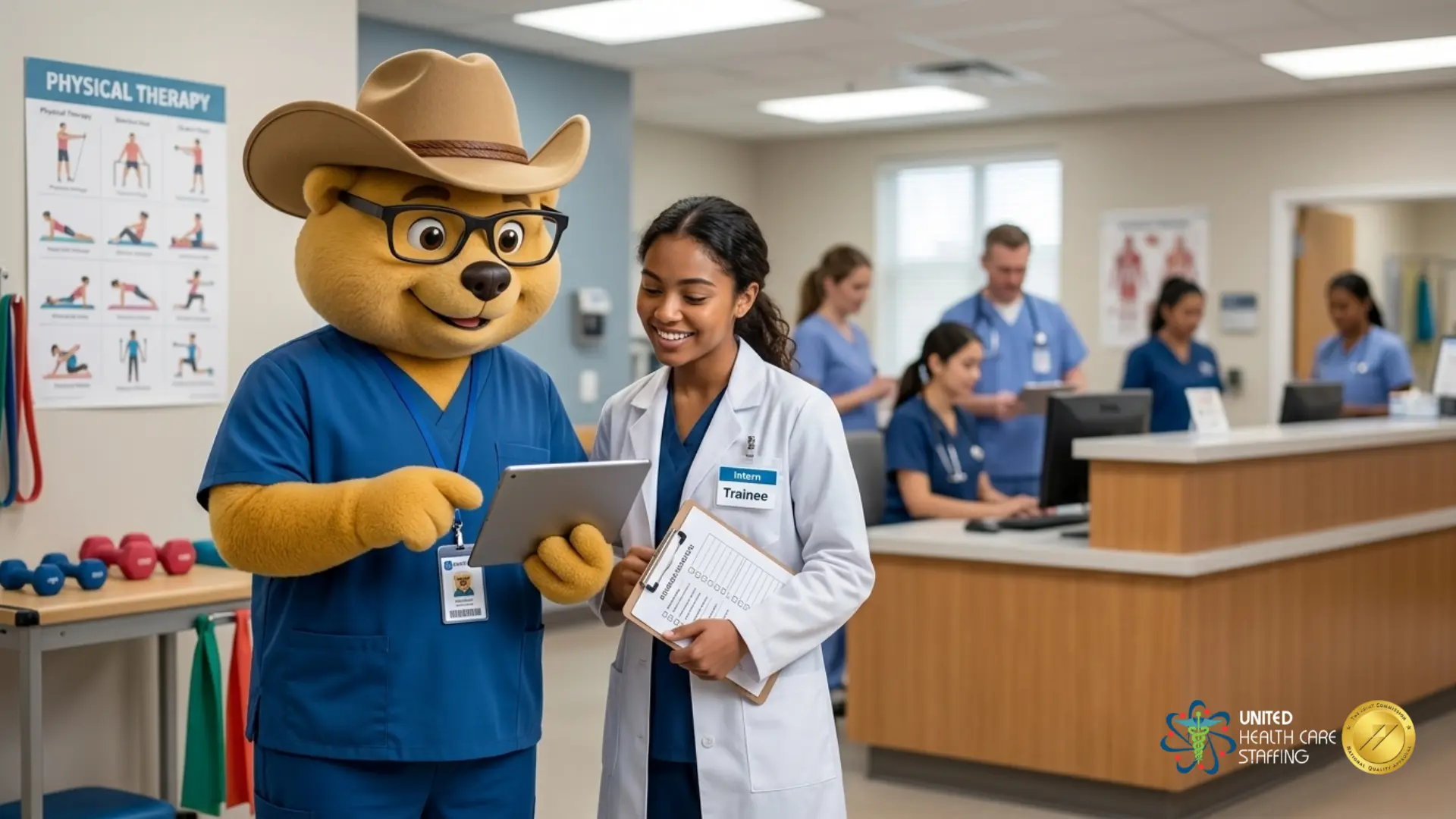

Hello future healthcare leaders and clinical pioneers! Uni-Ted here, wrapped up in my favorite blue scarf and ready to talk about the single most powerful launchpad for your professional life: allied health internships. In 2026, the medical world has realized that while classroom learning is the foundation, the real magic happens at the bedside and in the lab. The healthcare industry is currently undergoing a massive transformation, and the demand for skilled professionals who can navigate both human care and high-tech equipment is at an all-time high. If you are looking to secure one of the many allied health jobs US has to offer, starting with an internship isn't just a good idea—it’s a strategic career move. Whether you are exploring different allied health career paths or checking out an allied health salary guide to plan your future, this guide will show you why getting your foot in the door now is the key to long-term success. Let’s explore your future!
Related Career Opportunities
Ready to start your professional journey? Explore these premium allied health roles:
Why 2026 is the Year for Allied Health Internships
The healthcare landscape in 2026 is defined by 'Specialized Support.' Hospitals and clinics are looking for specialized experts who can fill the critical gaps in patient care.
The Current State of Allied Health:
- Explosive Job Growth: Data from the allied health salary guide shows imaging and diagnostics roles growing at double the rate of traditional positions.
- Technological Mastery: Modern allied health internships focus heavily on AI-integrated diagnostics and remote patient monitoring.
- Direct Path to Hiring: Facilities hire over 70% of successful interns into permanent allied health jobs US.
- Diverse Career Paths: From surgical suites to ER tech roles, allied health career paths offer incredible variety.
- Competitive Entry-Level Pay: Entry-level roles now offer sign-on bonuses and base pays that rival established careers.
An internship is a strategic window where you build the three pillars of a successful career: Competency, Connection, and Credibility.

Strategic Deep-Dive: Turning Your Internship into a Career Powerhouse
An internship is more than just clinical hours required for your degree; it is a strategic window where you build the three pillars of a successful career: Competency, Connection, and Credibility.
Navigating Diverse Allied Health Career Paths
One of the biggest advantages of allied health internships is the ability to test drive different specialties. In 2026, a student might start an internship in general radiology and realize their passion actually lies in interventional procedures or MRI. Because allied health is so broad, an internship allows you to see the Day in the Life of various roles before you commit to a specific certification path. This prevents career burnout and ensures that when you finally enter the market for allied health jobs US, you are landing in a role that truly fits your personality and clinical interests.
Building Your Value with the Allied Health Salary Guide
When you are an intern, you are also a researcher. This is the time to talk to professionals about the financial reality of their roles. By consulting an allied health salary guide and comparing it with the real-world experiences of your mentors, you can identify which allied health careers in demand offer the best return on investment. For example, in 2026, specialized roles like Dosimetrists or Perfusionists are seeing record-level salaries. An internship gives you the insider access to ask about shift differentials, overtime availability, and which certifications actually lead to a higher paycheck.
Mastering the Soft Skills of Patient Care
While your textbooks taught you the how, an internship teaches you the who. Allied health careers in demand require an incredible amount of emotional intelligence and communication. Whether you are a Respiratory Therapist explaining a treatment to a nervous patient or a Surgical Tech coordinating with a high-stress trauma team, these soft skills cannot be learned in a classroom. In 2026, hospital recruiters are prioritizing culture fit and communication just as much as technical scores. Your internship is where you prove that you can handle the human side of high-stakes medicine.
Securing Your Future in Allied Health Jobs US
The goal of every internship should be a job offer. In the current market, the allied health tech demand is so high that many facilities will offer you a conditional contract even before you graduate. By showing up early, asking What else can I help with?, and mastering the facility's specific EMR (Electronic Medical Record) system, you make yourself indispensable. UHC Staffing works with dozens of facilities that view their interns as the future of their workforce, providing a seamless transition from student to professional with full benefits and competitive pay.
Got Questions?
Frequently Asked Questions About Allied Health Careers
Yes, a growing number of allied health internships are paid positions, especially in imaging and laboratory science, as hospitals compete for top talent.
In 2026, Radiologic Technologists and Respiratory Therapists have the highest job security due to nationwide shortages.
A allied health salary guide gives you the market rate. Use this data to ensure your offer is competitive with industry standards.
Absolutely. After 1-2 years of experience, you can transition into travel allied health for higher pay and tax-free stipends.
Many start as Pharmacy Technicians or Phlebotomists while completing advanced certifications for allied health careers in demand.
We use a dedicated job board and recruiters to match your internship experience with high-paying permanent or travel roles.
While some require certificates, most high-paying allied health career paths like MRI require an Associate or Bachelor's degree.