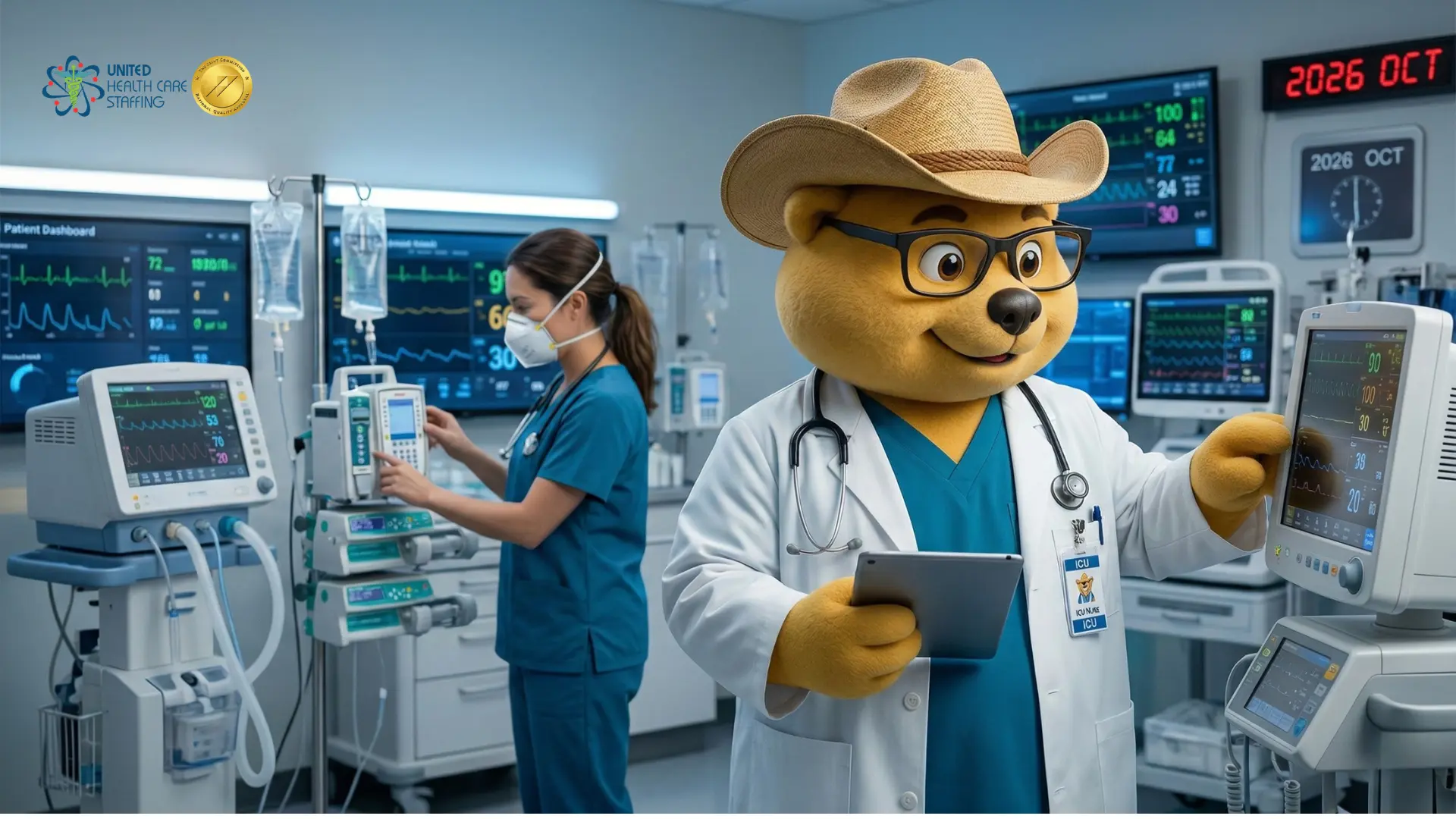
Hello critical care champions! Uni-Ted here, wrapped up in my favorite blue scarf and ready to step inside one of the most demanding—and rewarding—roles in healthcare today. In 2026, ICU nurse jobs continue to rank among the most respected and high-impact positions in nursing. With advanced technology, complex patient cases, and evolving treatment protocols, ICU nurses are at the forefront of lifesaving care. Whether you're comparing specialty paths like ER nursing assignments or considering long-term growth in critical care, understanding what a typical day looks like can help you decide if ICU is the right fit for you.
Related Job
Explore top-tier opportunities in critical care and related nursing specialties:
Why ICU Nurse Jobs Remain in High Demand
Critical care units require highly trained professionals capable of handling unstable and high-acuity patients. As healthcare systems grow and patient complexity increases, demand for experienced ICU nurses continues to rise.
What Makes ICU Nursing Unique:
- Continuous patient monitoring and rapid response care
- Advanced equipment management
- Collaboration with physicians and multidisciplinary teams
- Eligibility for some of the top High paying nursing roles
- Strong earning potential aligned with RN salary 2026 trends
Because of the skill level required, ICU nurse jobs often offer competitive compensation and strong professional growth opportunities.
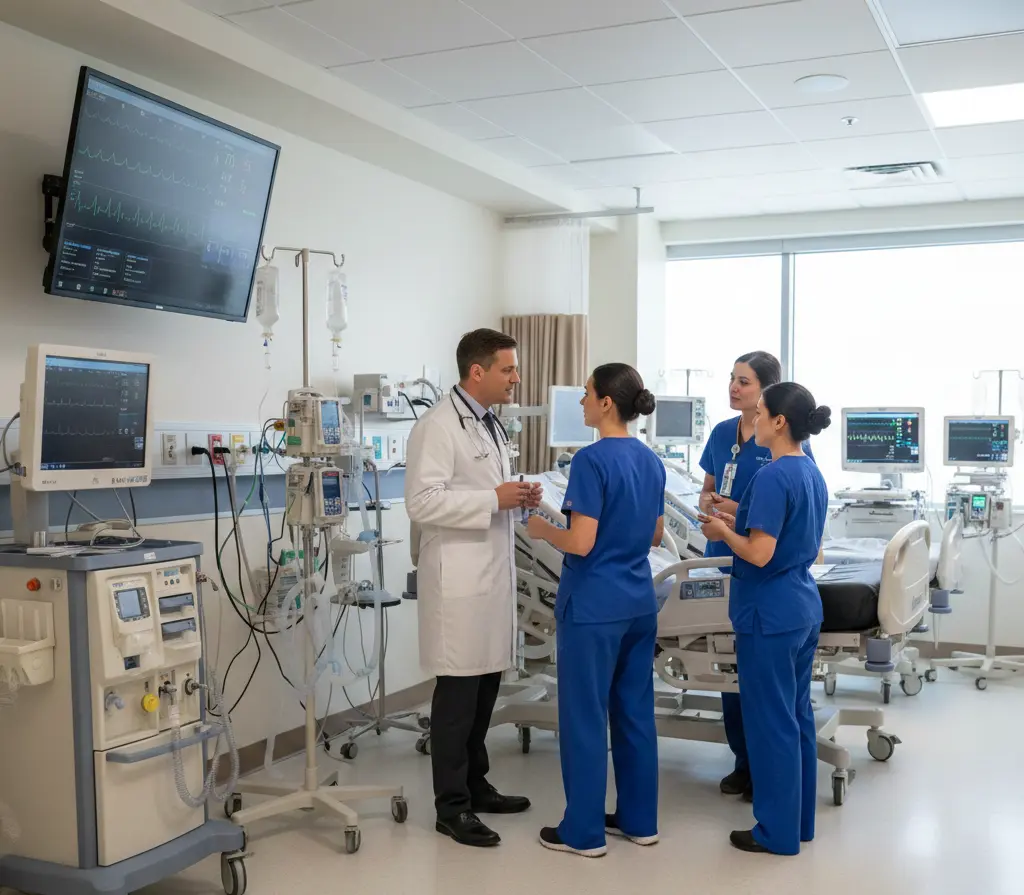
A Typical Day in ICU Nurse Jobs in 2026
Mastering ICU nursing requires resilience, adaptability, and a commitment to lifelong learning—but it offers unmatched professional fulfillment.
Shift Start: Patient Assessment and Planning
ICU nurses begin their shifts by reviewing patient charts, lab results, and overnight updates. Each patient typically requires individualized care planning, medication adjustments, and close monitoring.
Monitoring and Rapid Response
Throughout the shift, ICU nurses manage ventilators, IV drips, cardiac monitors, and other advanced life-support equipment. Quick decision-making and strong clinical judgment are essential.
Interdisciplinary Collaboration
ICU nurses work closely with intensivists, respiratory therapists, pharmacists, and support staff. Communication plays a central role in ensuring patient safety and improving outcomes.
Handling High-Acuity Cases
Unlike general units, ICU nurse jobs often involve managing unstable patients, post-surgical recovery, trauma cases, and complex conditions. This level of care places ICU roles among the most respected and High paying nursing roles in healthcare.
Comparison to Other Specialty Roles
While ER nursing assignments focus on fast-paced triage and stabilization, ICU nursing emphasizes continuous monitoring and long-term stabilization. Similarly, Telemetry RN jobs involve cardiac monitoring but typically with lower acuity levels than ICU.
Career Growth and RN Salary Outlook
As healthcare evolves, critical care nurses remain in strong demand. Trends in RN salary 2026 indicate competitive compensation for ICU professionals, particularly those with certifications and advanced skills.
Got Questions?
Frequently Asked Questions About ICU Nurse Jobs
Most ICU nurse jobs require active RN licensure, ACLS certification, and prior critical care experience.
Yes. Due to the advanced skills required, ICU positions are often categorized among High paying nursing roles.
ER nursing assignments focus on emergency triage and rapid treatment, while ICU nursing emphasizes continuous critical care monitoring.
Telemetry RN jobs involve cardiac monitoring but typically manage patients with lower acuity than ICU settings.
Trends in RN salary 2026 show strong earning potential for ICU nurses, especially those with specialty certifications.
Yes. ICU nursing offers strong professional development, specialization opportunities, and stable demand nationwide.