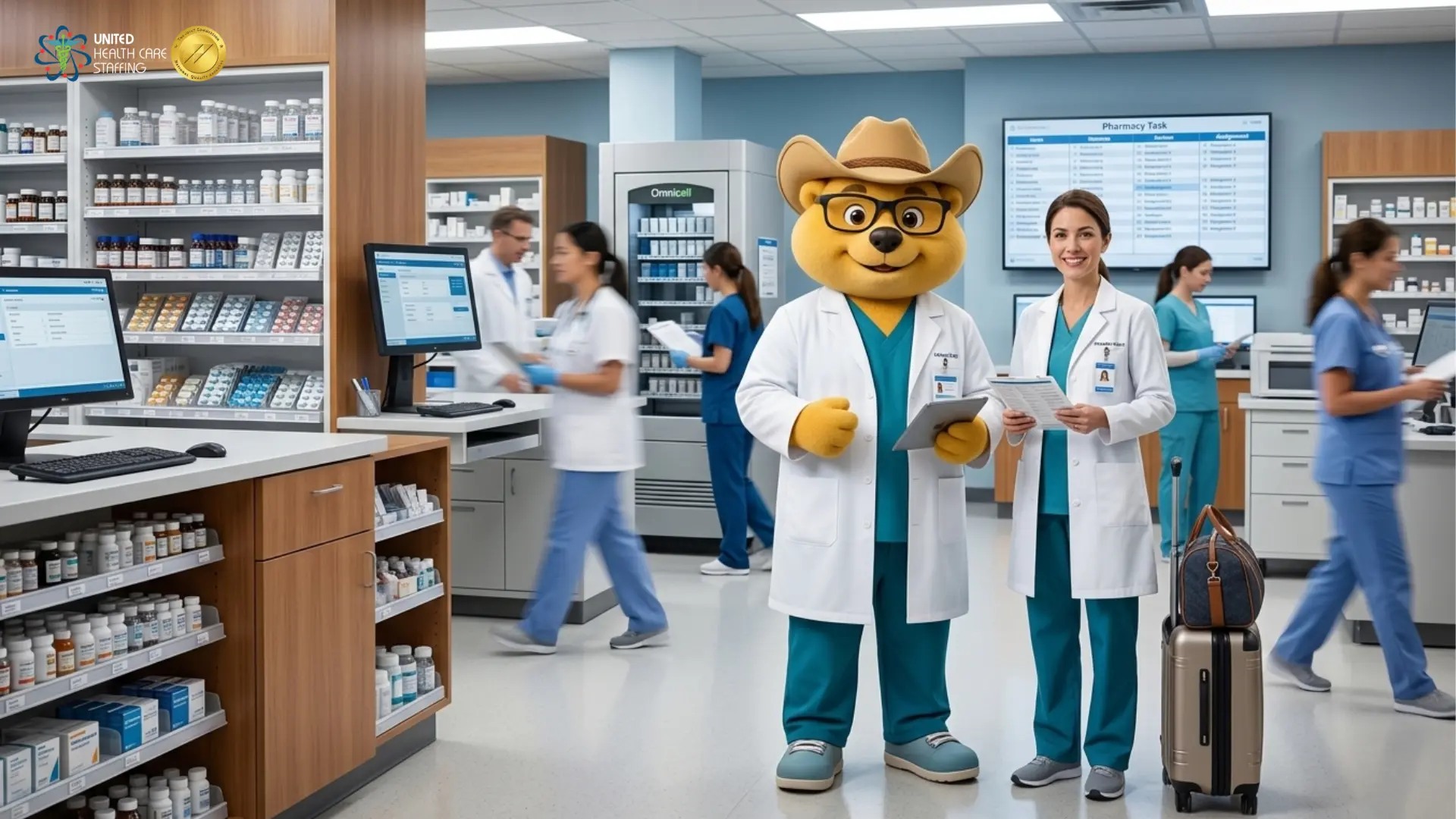

Hello clinical strategists and medication experts! Uni-Ted here, wrapped up in my favorite blue scarf and ready to explain a major shift in the healthcare world: the massive surge in Clinical Pharmacist Travel Jobs. In 2026, the hospital pharmacy has moved far beyond the "dispensing basement." Clinical pharmacists are now on the front lines, integrated into rounding teams, managing complex drug-drug interactions, and driving patient outcomes in high-acuity units. However, many hospitals are facing a critical shortage of these specialized providers, leading to an urgent demand for travel clinical pharmacist contracts. Whether you are a generalist looking to step into the acute care world or you are board certified pharmacotherapy travel ready, this is the perfect time to explore how your clinical expertise can earn you a premium on the road. Let’s dive into why hospitals need you now more than ever!
Related Career Opportunities
Ready to lead on the clinical front? Explore these premium roles:
Why 2026 is a Milestone for Clinical Pharmacist Travel Jobs
The healthcare landscape in 2026 has shifted the clinical pharmacist from a "support role" to a "critical decision-maker." As patient acuity increases and medication protocols become more complex, the reliance on travel clinical pharmacist contracts has become a permanent fixture in modern hospital staffing.
The Current State of the Clinical Pharmacy Market:
- Multidisciplinary Integration: In 2026, clinical pharmacists are essential members of the care team, participating in daily rounds in the ICU, ER, and Step-down units to optimize therapy.
- Complexity Premium: The clinical pharmacist salary 2026 reflects the high level of technical expertise required to manage advanced therapies, such as specialized oncology protocols and AI-driven pharmacokinetic monitoring.
- Shortage of Specialists: Hospitals are struggling to find permanent staff with the necessary specialized credentials, driving up the demand for short term clinical pharmacist jobs to cover high-acuity surges.
- Focus on Board Certification: We are seeing a massive increase in demand for board certified pharmacotherapy travel professionals who can bring a "Gold Standard" of evidence-based practice to a new facility instantly.
- Rapid Response Credentialing: To meet the urgent need, top-tier agencies have streamlined the onboarding for acute care pharmacist travel roles, allowing experts to be on-site and integrated within 10-14 days.
Securing the highest paying clinical pharmacist jobs requires more than just a PharmD; it requires a specialized skillset that allows you to provide immediate value in a fast-paced inpatient environment.

Strategic Deep-Dive: Navigating Inpatient Clinical Pharmacist Assignments
Securing the highest paying clinical pharmacist jobs requires more than just a PharmD; it requires a specialized skillset that allows you to provide immediate value in a fast-paced inpatient environment.
The Demand for Acute Care Pharmacist Travel
In 2026, the "heart" of the clinical travel market is in the acute care setting. Acute care pharmacist travel roles often involve managing high-risk medications, providing real-time consults for trauma patients, and overseeing antibiotic stewardship programs. Hospitals are urgently hiring for these positions because they directly impact patient safety and hospital readmission rates. If you have experience in emergency medicine or critical care, you will find that inpatient clinical pharmacist assignments are not only plentiful but offer the highest pay differentials in the industry.
Maximizing Your Clinical Pharmacist Salary 2026
To reach the top tier of compensation, you must leverage your certifications. In 2026, being board certified pharmacotherapy travel ready is a massive advantage. BCPS-certified pharmacists can often negotiate higher hourly rates because they require less "ramp-up" time and can immediately oversee complex patient populations. When you combine this credential with the tax-free stipends offered in Clinical Pharmacist Travel Jobs, your total take-home pay can significantly exceed traditional staff salaries. Working with a recruiter who specializes in clinical placements ensures your "blended rate" is optimized for your level of expertise.
The Versatility of Short Term Clinical Pharmacist Jobs
Not every clinical role requires a long-term commitment. In 2026, many hospitals use short term clinical pharmacist jobs (4-8 weeks) to cover gaps during system upgrades (like migrating to Epic or Cerner) or to provide extra support during seasonal respiratory surges. For a clinical pharmacist, these shorter assignments offer a unique way to gain exposure to different health systems and clinical protocols without the burnout of a permanent staff role. This flexibility allows you to build an incredibly diverse resume while maintaining control over your schedule.
Why "Clinical Depth" Matters in Recruitment
When hospitals look for travelers to fill inpatient clinical pharmacist assignments, they aren't just looking for someone to verify orders. They are looking for "Clinical Depth"—the ability to communicate effectively with physicians, interpret complex lab data, and provide bedside education to patients. UHC Staffing specializes in identifying these high-level clinicians and matching them with facilities that value their decision-making power. By positioning yourself as a "Clinical Consultant" rather than just a pharmacist, you open the door to the highest paying clinical pharmacist jobs in the country.
Got Questions?
Frequently Asked Questions About Clinical Travel Pharmacy
While pay varies by specialty, most clinical travel pharmacists are seeing weekly gross packages between $3,500 and $5,200. Those with board certifications or ICU experience often sit at the very top of that range.
Absolutely. In 2026, BCPS and other specialized certifications (like BCCCP for critical care) are the primary drivers for pay increases and "first-choice" assignment selections.
These assignments usually involve decentralized clinical work—participating in rounds, managing kinetics, verifying high-acuity orders, and serving as the drug information resource for a specific floor or unit.
The best way is to use the UHC Staffing Pharmacy job board and filter for "Clinical" or "Specialist" roles. Working with a dedicated clinical recruiter can also help you find "unlisted" roles in major academic medical centers.
Most acute care pharmacist travel roles require at least 1-2 years of residency (PGY1/PGY2) or equivalent inpatient clinical experience to ensure you can handle the intensity of the travel environment.
Yes. Most reputable agencies provide medical, dental, and vision insurance starting on day one, even for shorter 8-week contracts, to ensure their clinical travelers are protected.
Due to the increased complexity of medications and a nationwide shortage of residency-trained pharmacists, hospitals must rely on travelers to maintain safety standards and comply with regulatory requirements for clinical coverage.